How to start a food blog
Find your focus, publish your first stories and give readers a reason to return. Start your food blog with FENN in Mythos.

1. Find your place at the table
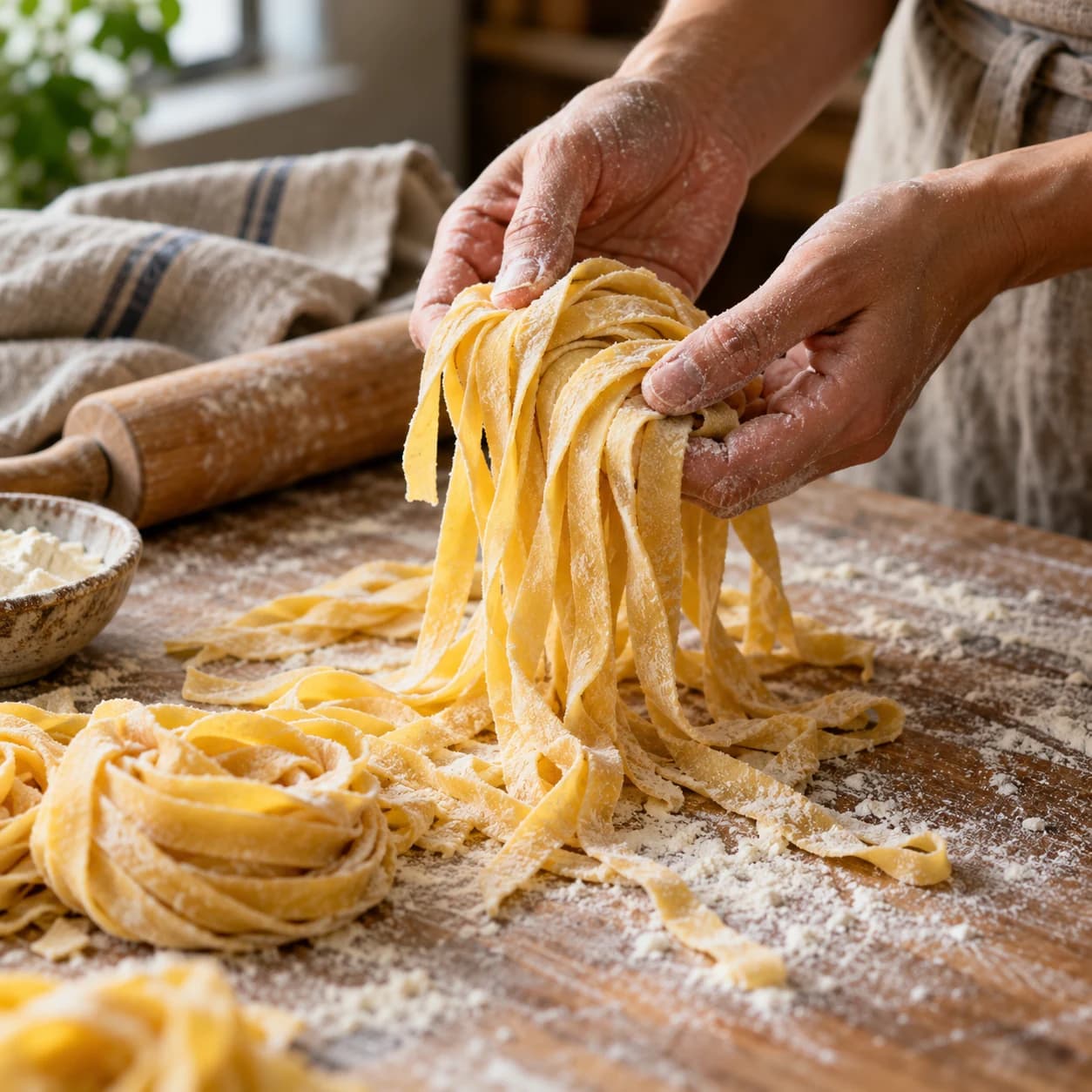
A food blog starts with something you want to share: the meals you cook after work, recipes from home, a baking practice or the places you eat when you travel. A clear focus helps readers recognise what they will find when they come back.
Think about who you cook for and what they need. A reader making dinner in a small kitchen needs different details from someone planning a weekend baking project. Let that difference shape your ingredients, photographs and explanations.
Write a short description of your publication before choosing its name or colours. “Seasonal cooking for small households” gives you a useful direction. Your first stories should make that promise tangible, with food you have cooked and advice you can explain from experience.
2. Choose a home for your stories
A good food blog gives photographs room to breathe and makes the writing comfortable to read. Visitors should be able to move from a story that catches their eye to another one they want to save for later.
FENN pairs a spacious editorial grid with large food photographs, individual articles and an About page. Search helps readers find a story, while related articles keep useful reading close at hand. The newsletter form offers a place to stay in touch.
Open the template Preview, read an article and try the search before you start. Use Remix to create your own version, then replace the publication name, introduction, author details and sample stories. Keep the layout if it suits your material; ask Mythos for specific changes when something needs to work differently.
For example: “Adapt FENN for a journal about seasonal cooking in a small kitchen. Keep its editorial layout. Use my introduction, article drafts and photographs below, and replace the sample author and contact details.”
3. Make the essentials easy to find
Your homepage introduces the publication through its latest and featured stories. Give each article a clear title, a short description and an image that reflects what is inside. Categories should help a reader choose, whether they are looking for baking, everyday cooking or notes from a trip.
Use the About page to explain who is behind the blog, how you cook and what readers can expect. Add a contact address you monitor and link only to social profiles you use.
Check the journey as a new visitor: choose an article from the homepage, read it, open a related story and return to the index. Search for an ingredient or topic from your own content. Replace sample links and remove categories that no longer have stories behind them.
4. Publish food worth reading about
Start with a small collection of complete stories. A useful recipe explains quantities, timings, equipment and the signs that tell the cook when to move on. A personal essay or restaurant journal can take a different shape, but it should still give the reader something specific to take away.
Test a recipe before publishing it. Write down the details you might otherwise leave to intuition: pan size, oven temperature, texture and the point at which a sauce is ready. If you suggest a substitution, say whether you have tried it.
Use photographs you made or have permission to publish. Choose a strong opening image, then include process photographs where they explain a step. Add short, descriptive alternative text and check that images remain clear without making the page slow to open.
FENN starts with editorial articles and article structured data. If your publication needs printable recipe cards, ingredient scaling or Recipe structured data, ask for those features explicitly and check them with a complete recipe. They are separate from the starting article layout.
6. Help readers discover your work
Give every article a distinct title and a description that matches its content. Use the words a reader would use to describe the dish or question, and let the story answer that question clearly. Link to related articles where they add something useful, such as a sauce that belongs with a pasta recipe.
FENN includes page metadata, article structured data and a sitemap. Before publishing your own site, ask Mythos to set its public domain and enable indexing for that address. The template demo stays out of search results so its sample content does not compete with your publication.
After publishing, check that each page's canonical address points to your public domain and that the sitemap lists the pages you want readers to find. Open an invented address too: it should show the missing-page screen and return a 404 status.
Use Google Search Console to submit your sitemap and inspect your published URLs. These checks help search engines access the site; they do not guarantee an appearance or position in search results.
7. Publish, then keep cooking
Read your first articles on a phone and a larger screen. Check the menu, image crops, search, sharing and newsletter form. Open an article by its direct address and refresh it, so you know readers can reach it from a message or search result.
Publish when the pages, links and subscription path are ready. Share individual stories with people who will find them useful, then pay attention to the questions they ask. Those questions often make better next articles than a long list of topics chosen only to fill a calendar.
Choose a pace you can maintain. Keep older recipes accurate, update broken links and add new stories as you develop them. The aim is a publication readers can return to and trust.
Explore FENN to see the layout, read the sample articles and start your own food blog.