How to start a travel blog
Plan your first travel stories, choose photographs, build a journal in Mythos and prepare your domain, newsletter and pages for publication.

Begin with the traveller you can help
A first-time visitor choosing a neighbourhood needs different information from someone returning to photograph the same city. Decide which traveller you can help. Your notes might explain an overnight train, a group of public gardens or a coastal walk you know well. Start with places you can describe from experience.
Look through the questions people have asked you about those trips. Where should they stay without a car? How much walking does the route involve? What would you change if you went again? Keep the questions you can answer from your notes, then check any missing practical details before you write.
Start by writing one sentence: “This journal helps [reader] experience [kind of journey] through [your approach].” Keep that sentence close while you choose your first articles. It gives the website a purpose beyond displaying photographs.
Choose a perspective you can sustain
A narrow opening theme makes your first edition coherent. Consider journeys by rail, short breaks without a car, everyday food traditions, family trips at a slower pace, or the places within a day's reach of your home. The best choice connects your interests with access: somewhere you can return to, observe carefully and describe beyond a single visit.
Test the idea against your existing notes. Can you outline several different stories without repeating yourself? Do you have photographs, conversations or observations to support them? Can you explain what your reader will learn that a generic destination list would leave out?
Your subject can widen later. A journal that begins with walks around one region may grow into a publication about exploring on foot. A title tied to one brief holiday can become awkward when your interests move on. Give the publication enough room to evolve while keeping its opening promise specific.
Build a first edition with depth
Choose a small group of stories that work together. One practical destination guide can anchor the edition, supported by a personal essay, a route you have followed and a detail-led photographic story. The aim is to give an arriving reader several worthwhile paths through your work.
For a journal about unhurried city travel, the first edition might explore an early morning neighbourhood walk, a market visit, a rainy afternoon indoors and the journey into the city. These stories share an audience while offering different moods and uses. Link them where the connection is helpful.
Write the headlines and a two-sentence purpose for each story before building the homepage. “A weekend in Porto” could contain almost anything. “A quiet first morning along Porto's river” tells you what to photograph, what to leave out and what the reader can expect. Avoid promising a complete guide when you have only explored one corner of a place.
Give the journal a recognisable identity
Choose a name that is easy to remember and comfortable to say aloud. Check the website address and the channels you expect to use before settling on it. Keep the account and renewal details somewhere you control; a domain is part of the publication's continuity.
A simple text masthead can carry the identity. You do not need a complex logo to make a travel journal feel considered. A restrained palette, consistent photograph treatment and clear typography usually matter more to the reading experience.
Write a short introduction in ordinary language. Tell readers what you notice and why you publish. The About page can explain your background, the kinds of trips you take and the limits of your perspective. Use your own experience and credentials. A template biography is a starting shape to replace.
Create a home for the stories
Choose a website structure that gives your writing and photography enough space. Start with the journal homepage, individual articles, an About page and a way to contact you. A clear route back to the main collection matters when a reader arrives directly at an article.
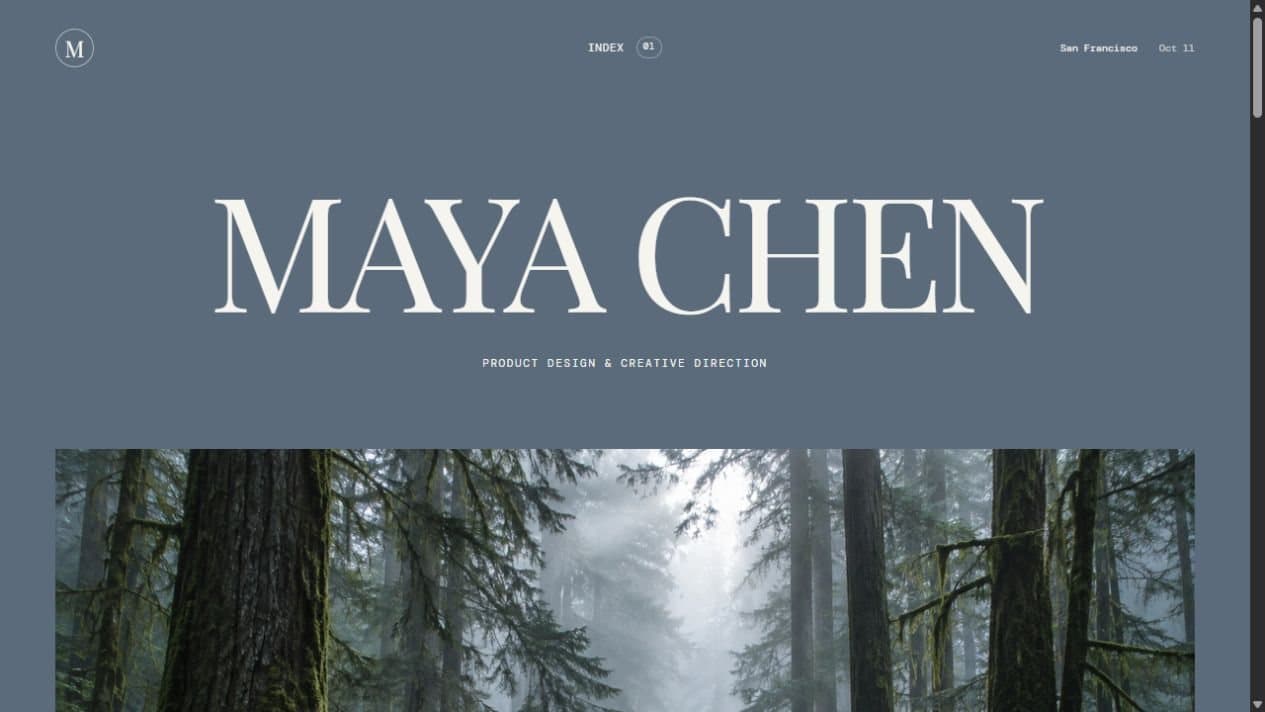
The Farline travel blog template provides this structure in Mythos. Its opening masthead leads into square photographs, with dedicated reading pages, an author introduction and a contact page. The supplied stories and images let you explore the layout before replacing them with your own material.
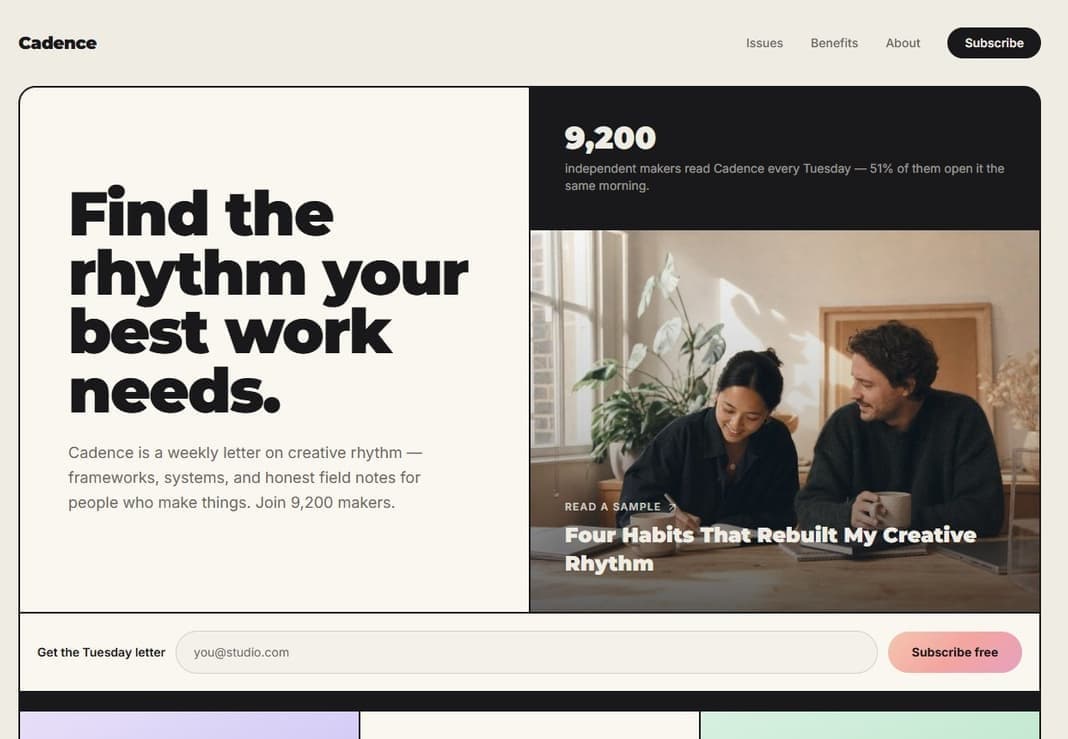
Start with one clear editing request. For example: “Adapt this journal for my writing about rail journeys through coastal towns. Use the name Coast by Rail, replace the introduction with my supplied text and keep the existing page layout.” Review the result on a phone as well as a larger screen. Expand the site when your actual content needs another way to browse it.
Turn travel notes into a useful story
Begin with the moment or question that gives the piece its shape. A train arriving before the cafés open, a path that changes character after the last bus stop, or a market stall you returned to can be a stronger opening than a broad claim that a destination has something for everyone.
Then help the reader orient themselves. Explain where the story takes place, when you visited and what kind of journey you made. Separate observations from practical directions so someone planning a trip can find what they need without losing the pleasure of reading.
Specific details earn their place when they help the reader understand a choice: why you stayed in one neighbourhood, what made a route tiring, which part deserved more time, or what you would change on a return visit. Include the imperfect parts. An honest account of a missed connection may be more useful than an uninterrupted sequence of highlights.
End with a relevant next step, such as another story, a route variation or a question worth considering before booking. Read the piece aloud before publishing. Remove paragraphs that repeat the headline without adding evidence or experience.
Edit your photography as carefully as your words
Treat the images as a sequence. A wider view can establish a place, a closer detail can explain its character and a quiet frame can give the reader room to pause. Several near-identical photographs rarely add as much as one well-chosen image with a useful caption.
Farline starts with one square cover per story. Check the crop in the actual layout: a photograph that works across a full landscape frame may lose its subject on the homepage. Keep important details away from an edge that will be cropped, and inspect the mobile version before deciding.
Write image descriptions that explain what is visible and relevant. A caption can add where or when the photograph was made; alternative text helps communicate the image itself. Avoid filling either with search phrases.
Use photographs you own or have permission to publish, and retain the credit information. Ask before photographing people in personal situations. Generated illustrations can support an imagined story if clearly labelled, but should never stand in for documentary evidence of a place you claim to have visited.
Make practical details easy to trust
Travel information ages unevenly. The atmosphere of a street may remain recognisable while a ferry timetable, opening hour or entrance arrangement changes. Keep the date of your visit distinct from the date you last checked practical information.
When a detail could affect a reader's journey, point them to the relevant official source. Explain what you personally observed and what you confirmed elsewhere. For a walking route, describe the surface, stairs and exposure you encountered rather than simply calling it easy. Readers can judge those details against their own needs.
If you include costs, state the currency, date and what the amount covered. Avoid presenting one person's total as a universal trip budget. Update important facts when you learn they have changed, and make corrections visible where a reader would encounter the old claim. A useful travel archive needs care after its first publication.
Give readers a reason to return
Describe the newsletter as a small editorial promise. Tell people what they will receive and how often you realistically expect to send it. “A monthly letter with one new journey and a few field notes” is more helpful than asking them to join an unexplained list.
Farline includes a signup drawer and a contact form. Connect your own database before accepting submissions, and check that a real signup and message are stored. Collecting addresses does not send a newsletter. Choose and configure the service that will deliver your letters, including the way readers can leave the list.
Write the first welcome message before promoting the form. It can introduce the publication, point to a favourite story and invite a reply about what the reader is planning. Keep the promise manageable during travel. A thoughtful letter sent at an achievable pace gives you a better foundation than a schedule you cannot maintain.
Help the right readers find the work
Give each article a descriptive title and a short introduction that matches its subject. Use the destination name where it helps understanding, then add the distinctive angle. A title should still make sense when someone sees it outside your website, in a message or a search result.
Give readers a useful next story. Farline includes a related-reading link at the end of each article. Review that connection as your collection grows: a coastal walk might lead to the journey to its starting town, while a market story could lead to a neighbourhood guide.
When you publish, share the article where the topic belongs and follow the community's rules. Offer a useful observation or answer before expecting attention. One active channel that suits your work is easier to develop than several neglected profiles.
Review the questions people send you. They reveal gaps in your explanation and possible future articles. If you add analytics, use the information to understand which stories help people continue reading. A single spike in visits tells you less than repeated interest in a clear subject.
Approach commercial work without losing the voice
You can decide later whether the journal should earn money. Start by understanding what readers find valuable and what work you enjoy producing. Revenue expectations should not determine every story before the publication has found its voice.
If a brand approaches you, be precise about the work: which photographs or articles are requested, where they may be used and whether the partner expects editorial approval. Keep a distinction between your independent observations and commissioned material. Explain sponsorships and affiliate relationships clearly to readers.
A small paid guide or planning service may make sense when people repeatedly ask for help you can provide. Define what the buyer receives and the time needed to deliver it before adding a checkout. Farline's starting edition has no shop, payment flow or booking service. Those are additional projects, with their own customer expectations. Add a commercial offer because it solves a demonstrated need, and leave the free journal useful in its own right.
Publish a complete small journal, then maintain it
Before sharing the address widely, read the website as someone seeing it for the first time. Open an article from a direct link, return to the collection, find the author and try to make contact. Check headings, photographs and long paragraphs on a phone. Replace every sample name, date and privacy statement that does not describe your publication.
Set the final domain and review page titles and descriptions. Farline's demo keeps search indexing disabled; enable it for the finished public journal after the content and address are ready. Test forms through their real connection and confirm where the submissions arrive.
Keep an editable record of your stories and original photographs. Choose a publishing pace that leaves room to travel, verify details and revise older pieces. Your next article does not have to visit somewhere new. Returning to a place with a better question often gives the journal more depth than continually widening the map.
Remix the Farline travel journal to start with the reading pages, photography layout and forms described in this guide.
Last updated